Showing posts with label beginners. Show all posts

Wednesday, April 27, 2016

April 2016 Shopping List

Here's what you need to get started.

Basic Idea:

  • Transmitter and Receiver
  • Airplane Electronics
  • Body Parts
Nice Starter Plane:
  • EZ-Fly

Transmitter and Receiver.

Get these from Aloft Hobbies, one of the best vendors on the net!


(to be continued)

Airplane Body

Here's the raw materials for the E-Fly Body.  For each body, you will need 3 sheets of foam, 1 carbon tube, and two pieces of steel wire.  I think severlthe shipping won't go


You can also buy the foam pieces pre-cut:

Power System

Supplies

Here's some other stuff you will need


blogodex = {"toc" : "Parts List", "idx" = ["Beginner's Guide"]};

Saturday, October 27, 2012

Soldering Notes

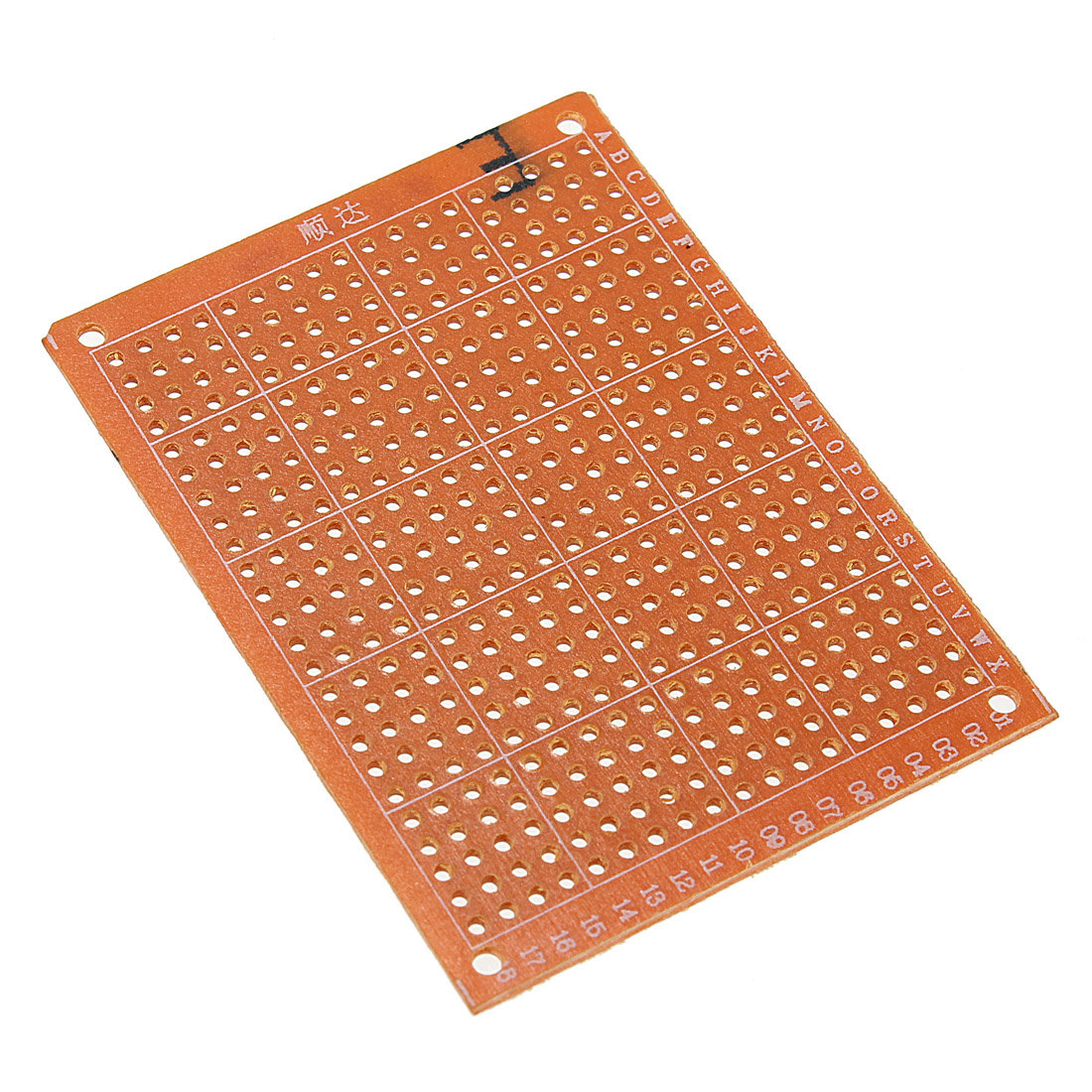
Here's how I practiced my soldering.  I got some printed circuit boards and a bag of headers, and soldered 725 through-hole connections.  It took me a couple of evenings (not working very hard) and when I was finished I felt pretty confident in my soldering abilities.


These 5x7 cm prototyping boards from banggood are less than a dollar, including shipping.

Friday, September 21, 2012

Electronics You Need To Get Started

Here's pretty much the electronics you'll need to put together your first plane (not counting transmitter/receiver).

Clockwise from upper left:  LiPo battery charger, brushless motor, servos, electronic speed controller (ESC), battery voltage checker, LiPo battery.  In the center are bullet connectors (note the bare wires on the motor) and props.


Here's some notes on how much these things cost, cribbed from an email I sent to MarkV over at the Brain Wagon:

-------------------------------------------------------------------------------------------------------

here's the build list, which I tried to make as complete as possible.  let me know if I left anything off!

everything's from hobbyking.com except for carbon fiber, epp foam, and glue which are from rcfoam.com.  all the numbers are what I paid including shipping.  all the zero items are things i've got excess sitting around from buying bulk quantities.

traditional glue is hot glue, but i like the foamtac coz it's a bit lighter and (imho) more resiliant.  try gluing a couple of pieces of scrap foam together and if it doesn't give you zen tranquility then use hot glue, keeping it as light as possible.

the epp was more expensive than i remembered... it was about $60 for 6 sheets, not 10 as was my recollection.  I'll stop everything off in the morning and we can check out the tx/rx if you've got batteries...


power system

$10.24    1500 kvm, 24 gram "blue wonder" motor
 $1.25    8x4 props (2)
 $8.58    18A ESC
 $0.00    theraband prop saver bands
 $0.19    JST pigtail, ESC side
 $0.72    2mm bullet plugs, male (3) (motor side)
 $0.72    2mm bullet plugs, female (3) (ESC side)
 $0.00    2.5mm heat shrink tubing

body

 $4.00    carbon fiber 3mm
$11.60    9mm 1.9# EPP foam, big sheet
 $0.00    blue velcro

control surface

$0.00    skewers (2)
$1.03    1.5mm pushrod snap connectors (2)
$6.46    9g servos (2)
$0.00    paper clips (2)
$0.29    control horns (2)

misc

$5.50    beacon foamtac glue
$1.19    transmitter strap

batteries

$13.73    2S/3S balance charger
$14.40    3S 500 mAh LiPo batteries (2)

Tx/Rx

tools
    hot glue gun w/ low temp setting (good one here)
    razor blade cutter with lots of sharp blades
    reaming tool or drill if you're careful (for enlarging servo holes)
    jewelry pliers (for pushrod)
    soldering stuff

Wednesday, September 21, 2011

A nice diagram for prop orientation

Which side of the prop faces forward?  It can be tricky, coz you can put the prop on backwards and still get the plane to go forward.

Here's the general guidelines:

  • Most props have the size molded in.  The numbers face the front of the plane, no matter if the motor faces front ("tractor" configuration) or the back ("pusher" configuration).
  • If you cut the prop in half, it will look like an airfoil.  The concave "undercambered" side faces the rear of the plane.  Think of it as an airfoil (which it is!) pulling the plane forward [diagram from rcgroups].
  • If you feel something "wrong" with the thrust and the electronics seem fine, land and check your prop.  There's a good chance you've got it backwards.
jj604 sums it up nicely:

'Why the hell they didn't just mold a big "FRONT FACE" and "<- ROTATION DIRECTION" on the prop is beyond me.'

Sunday, September 18, 2011

Aileron Motion


Here's the aileron controls spelled out.  Apparently my brain constantly works backwards on this.  Ironically I do all right when flying, but when setting up I consistently get the ailerons reversed.

All directions are relative to facing the front of the plane.  I should therefore probably say "port" and "starboard", but there's even less chance I'll get that right.

Stick motion:

Move stick to left, left aileron moves up, right aileron moves down, right wing moves up.
Move stick to right, right aileron moves up, left aileron moves down, left wing moves up.
When left wing is too low, give right stick. left aileron down, right aileron up, left wing moves up.
When right wing is too low, give left stick. left aileron up, right aileron down, right wing moves up.

The same information in a table:


stick    left   right  roll
motion   aile   aile   motion
------   ----   ----   ------
left     up     down   right wing moves up
right    down   up     left wing moves up


wing     stick    left   right  roll
too low  motion   aile   aile   motion
-------  ------   ----   ----   ------
right    left     up     down   right wing moves up
left     right    down   up     left wing moves up


Andreas gave me this page which I'm guessing is from when he got his pilot's license.